- Tenant’s Legal Rights to Decoration
- Things to Consider
- FAQs
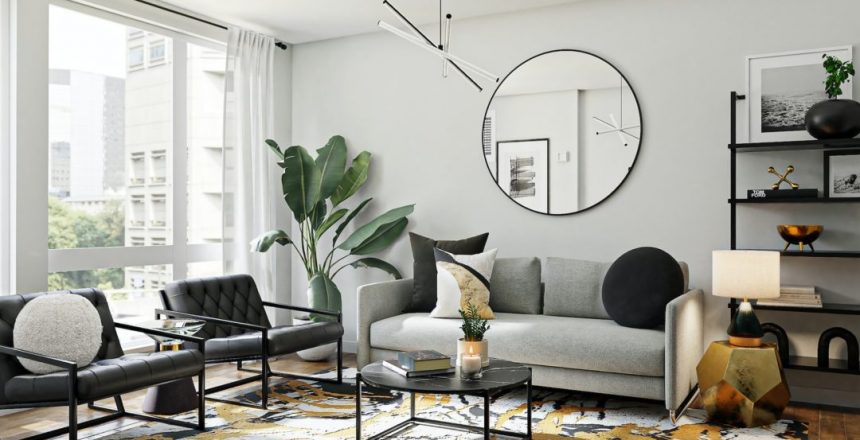
Decorating a rental property in the UAE requires a careful balance between personal style and legal compliance. While tenants are encouraged to make their space feel like home, UAE law protects the landlord’s asset by imposing specific boundaries on modifications.
By understanding the local legal framework, you can create a personalized living environment while avoiding disputes or losing your security deposit.
Legal Framework & Structural Compliance
Under Dubai’s Rental Law No. 26 of 2007 (and similar regulations across other Emirates), tenants are permitted to modify their units provided the structural integrity remains intact. However, two non-negotiable rules apply:
Written Approval: You must obtain formal consent from the landlord before making any significant changes.
Property Restoration: The unit must be returned to its original state at the end of the tenancy period.
Navigating Your Tenancy Contract
Beyond the law, individual lease agreements often contain specific clauses regarding renovations. Common restrictions include:
Prohibitions on drilling into walls or tiling.
Restrictions on painting or changing permanent fixtures.
Limitations on altering flooring or cabinetry.

Key Considerations for Decorating UAE Rentals
Beyond legalities and security deposits, tenants should evaluate the following factors when personalizing their space:
Insurance & Liability: While home insurance isn’t mandatory in the UAE, it is highly recommended when decorating. A good policy protects your belongings and covers accidental damage during any renovation work.
Reversible Decor: To avoid repair costs, prioritize “rental-friendly” solutions. Use adhesive hooks instead of drilling, and opt for peel-and-stick wallpaper rather than permanent paint to ensure the property remains undamaged.
When personalizing your home, consider these four critical factors to ensure a smooth tenancy:
Community Compliance: Many gated communities and buildings have strict rules regarding exterior aesthetics. Before hanging lights, flags, or signage on balconies or windows, check your community guidelines to avoid fines.
Documentation & Evidence: Always secure written landlord approval before starting any work. Crucially, take high-quality photos or videos of the property’s condition before and after modifications to protect yourself during the final move-out inspection.
Safety & Electrical Standards: Ensure all decorations—especially those involving wiring—meet UAE safety protocols. If a project involves complex electrical work, hire a professional to prevent fire hazards and ensure you remain legally compliant.
Cultural Sensitivity: In line with the UAE’s values of mutual respect, ensure your decor (particularly outdoor displays) is culturally appropriate and mindful of the diverse religious and social environment of your neighborhood.
UAE Rental Decoration: Frequently Asked Questions
Can I paint the walls of my rental? Yes, but you must obtain written consent from your landlord first. Additionally, you are typically required to repaint the walls back to their original color before moving out.
Is landlord permission mandatory for decorating? For any permanent or structural modifications, landlord approval is essential to remain compliant with your tenancy contract.
What are some budget-friendly ways to personalize my space? You can transform your home without permanent changes by using area rugs, soft furnishings, adhesive hooks, and peel-and-stick wallpaper.
Final Takeaway
While UAE law provides a structural framework for property modifications, successful decorating often comes down to the tenant-landlord relationship and specific community bylaws. Always review your contract and community rules thoroughly—whether you are renting or buying a property in the UAE—to ensure your creative vision aligns with your legal obligations.